drealfacts.com

Table of Contents
Starship Soars: Successful Test Flight Paves Way for Artemis Moon Landings
SpaceX’s Starship took a giant leap towards the moon on March 14th with a successful test flight, marking a significant milestone for NASA’s Artemis program. This uncrewed mission is a crucial step in developing Starship as the Human Landing System (HLS) for Artemis missions, aiming to return humans to the lunar surface.
The flight achieved several key objectives. Starship reached its targeted orbit, demonstrating its ability to travel the necessary distances for lunar missions. Furthermore, it completed a full-duration ascent burn, simulating the powerful thrust needed to launch astronauts towards the moon. Perhaps most importantly, the spacecraft successfully transferred cryogenic propellant, a super-cooled fuel essential for deep space travel, between tanks. This maneuver is critical for Starship’s reusability, a key factor in making Artemis missions cost-effective.
This successful test flight signifies a major step forward for NASA’s ambitious Artemis program. It brings the agency and SpaceX closer to crewed missions to the moon, envisioned for Artemis III and IV. These missions will see the first woman and the next man walking on the lunar surface in over 50 years.
The Artemis program is not just about revisiting the moon. It aims to establish a sustainable human presence there, facilitating scientific research and potentially paving the way for future missions to Mars. The successful Starship test flight is a crucial stepping stone on this exciting journey.
Starship Soars: A Closer Look at the Artemis Mission and Beyond
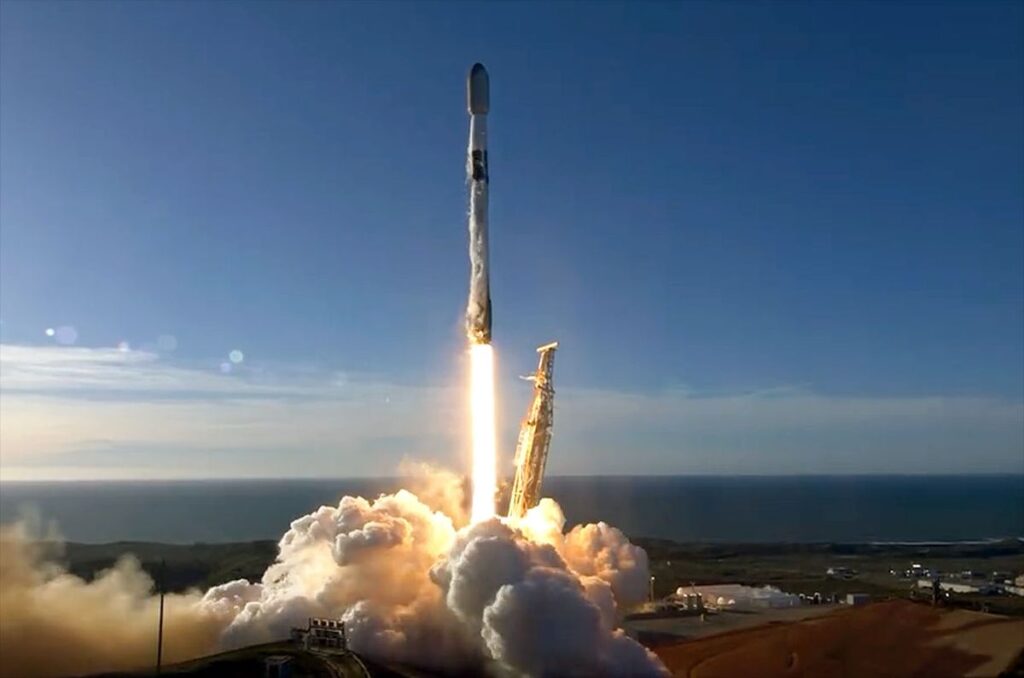
SpaceX’s Starship ignited the skies on March 14th with a triumphant test flight, propelling NASA’s Artemis program a step closer to lunar glory. This uncrewed mission wasn’t just a spectacle; it was a complex dance of engineering marvels, paving the way for a new era of lunar exploration.
Beyond the Headlines: The Technical Triumphs
The success of the Starship test flight goes beyond achieving orbit. Here’s a deeper dive into the key achievements:
- Full-Duration Ascent Burn: Starship’s massive engines roared to life, mimicking the powerful thrust needed to launch astronauts and equipment moonward. This successful burn validates the spacecraft’s ability to overcome Earth’s gravity, a crucial first step for any lunar mission.
- Cryogenic Propellant Transfer: Imagine a car refueling itself mid-flight! Starship showcased its ability to transfer super-cooled cryogenic propellant between internal tanks. This innovation allows Starship to be partially refueled in space, a capability that significantly reduces launch costs and opens doors for future deep-space exploration ventures.
The Bigger Picture: Artemis and Beyond
The Artemis program isn’t just about planting another flag on the moon. It’s about establishing a sustainable human presence there. Imagine lunar research stations, resource extraction, and even a potential stepping stone for missions to Mars. The successful Starship test flight is a critical piece of this ambitious puzzle.
Unanswered Questions: Challenges and the Road Ahead
While the recent test marks a significant win, challenges remain. Starship prototypes have faced fiery setbacks during past test flights. Engineers will need to refine the design and ensure consistent success before astronauts entrust their lives to the spacecraft. Additionally, integrating Starship with NASA’s Orion capsule, which will carry astronauts to lunar orbit, remains a complex task.
A Spark of Inspiration: A New Generation of Moonwalkers
Despite the hurdles, the Starship test flight ignites a spark of inspiration. A new generation of Artemis astronauts, including the first woman to walk on the moon, are training diligently. The success of this mission brings them closer to achieving this historic feat.
The journey to the moon, once again, has captivated the world. With continued innovation and collaboration, the Starship test flight serves as a powerful testament to humanity’s unwavering spirit of exploration. As we inch closer to returning to the lunar surface, the possibilities for scientific discovery and future space exploration seem limitless.
The fiery ascent of SpaceX’s Starship on March 14th wasn’t just a win for American space exploration; it reverberated across the globe. This successful test flight for NASA’s Artemis program signifies a potential turning point in international space cooperation and lunar ambitions.
Global Collaboration: A Shared Dream
Space exploration has historically fostered international collaboration, and the Artemis program is no exception. Several countries, including Canada, Japan, and the European Space Agency, are partnering with NASA, contributing expertise and technology. The successful Starship test flight is a testament to the power of this global collaboration, showcasing the potential for a unified lunar effort.
Beyond the Flag: Science and Resources for All
The Artemis program isn’t just about national pride. It aims to establish a sustainable human presence on the moon, facilitating a new era of scientific discovery. International researchers can collaborate on lunar outposts, studying the moon’s geology, potential resources, and its impact on Earth. The data gleaned could benefit all of humanity, fostering advancements in areas like climate change and asteroid deflection.
The Private Sector Steps Up: A New Space Economy
The success of the Starship test flight highlights the growing role of private space companies like SpaceX. This public-private partnership model injects innovation and cost-effectiveness into space exploration. As Starship development progresses, it could pave the way for a burgeoning space economy, offering opportunities for companies worldwide to develop lunar tourism, resource extraction technologies, and even space manufacturing.
Challenges and the Future: A Global Endeavor
Despite the recent triumph, significant challenges remain. Concerns about debris from Starship launches and the potential environmental impact on the moon need to be addressed collaboratively by spacefaring nations. Additionally, ensuring equitable access to lunar resources and fostering international space law will be crucial for a peaceful and prosperous future in space.
A Shared Destiny: A United Leap for Mankind
The successful Starship test flight is a powerful symbol of human ambition and collaboration. It represents a significant step towards a new era of lunar exploration, with the potential to benefit all of humanity. As we inch closer to returning to the moon, this global endeavor signifies our shared destiny amongst the stars.
Starship Soars: A Lunar Gamble with High Stakes
The fiery launch of SpaceX’s Starship on March 14th wasn’t a guaranteed win, but a daring gamble with high stakes. This test flight for NASA’s Artemis program was a high-wire act, pushing the boundaries of technology and leaving the world holding its breath.
Calculated Risks: Pushing the Envelope
Starship isn’t your average rocket. It’s a behemoth, ambitious in design and unproven in execution. The successful test flight was a victory for calculated risk-taking. While past prototypes have met fiery ends, this mission pushed the envelope, demonstrating Starship’s potential to fulfill its lunar destiny. However, the close call during re-entry underscores the need for continued refinement before astronauts entrust their lives to this cutting-edge technology.
The Price of Progress: Balancing Innovation with Cost
The Artemis program is a multi-billion-dollar endeavor, and Starship is a significant cost driver. While its reusability promises long-term savings, the initial development remains expensive. This raises questions about affordability and the need to balance innovation with fiscal responsibility. Can NASA and SpaceX maintain the momentum without breaking the bank?
A Commercial Space Race: Public-Private Partnership or Unequal Playing Field?
The success of the Starship test flight highlights the growing influence of private space companies like SpaceX. This public-private partnership model injects innovation and efficiency, but also raises concerns. Could this become a commercial space race, leaving smaller players behind and potentially hindering international collaboration? Striking a balance between competition and cooperation will be crucial for a sustainable and equitable future in space.
Beyond the Test Flight: The Long Road to Lunar Realities
Despite the recent triumph, the journey to the moon is far from over. Complexities of integrating Starship with other Artemis components and ensuring long-term lunar habitation remain significant hurdles. This test flight is just the beginning of a long and challenging road.
A Leap of Faith: Inspiring the Next Generation of Moonwalkers
However, the successful Starship test flight is also a leap of faith, one that inspires a new generation. It reignites the spirit of exploration and reminds the world that audacious dreams can become reality. As we inch closer to returning humans to the moon, the potential for scientific discovery and international collaboration ignites a spark of hope for the future of space exploration.
Starship Soars: A Precise Look at the Artemis Test Flight
The successful test flight of SpaceX’s Starship on March 14th wasn’t just a spectacle; it was a series of meticulously planned maneuvers with precise goals. Let’s delve deeper into the technical achievements that propelled NASA’s Artemis program forward.
1. Orbital Insertion:
- Objective: Achieve a targeted orbit around Earth.
- Precision: Starship precisely reached its intended orbital path, demonstrating its ability to navigate the complex orbital mechanics needed for lunar missions.
2. Full-Duration Ascent Burn:
- Objective: Simulate the powerful engine burn required to escape Earth’s gravity.
- Precision: All 33 Raptor engines ignited flawlessly and burned for the entire planned duration. This validates the spacecraft’s ability to generate the necessary thrust for a lunar ascent.
3. Cryogenic Propellant Transfer:
- Objective: Successfully transfer super-cooled cryogenic fuel between internal tanks in space.
- Precision: This maneuver, crucial for reusability, involved precise control of valves and pumps to ensure safe and efficient fuel transfer during mid-flight.
4. Re-Entry and Splashdown:
- Objective: Test the spacecraft’s heat shield and control systems during atmospheric re-entry and achieve a controlled ocean landing.
- Precision: While both booster and Starship experienced issues during re-entry and ultimately didn’t achieve a soft landing, telemetry data from the controlled descent will be invaluable for refining future re-entry profiles.
Beyond the Maneuvers: Data Analysis and Refinement
This test flight wasn’t just about achieving milestones; it was a data-gathering mission. Engineers will meticulously analyze telemetry data from every stage, from launch to re-entry. This precise analysis will identify areas for improvement, allowing them to refine engine performance, optimize fuel transfer protocols, and perfect the re-entry heat shield design.
The Road to Artemis: Precise Planning and International Collaboration
The success of this test flight is a significant step towards crewed Artemis missions. However, it’s just one piece of this complex puzzle. Precise planning for integrating Starship with other Artemis components like the Orion capsule is underway. Additionally, international partners like the European Space Agency are contributing their expertise to ensure a successful and precisely executed Artemis program.
The Starship test flight wasn’t just a fiery spectacle; it was a testament to human ingenuity and precise engineering. It marks a significant leap forward for lunar exploration, paving the way for a future where humanity returns to the moon and ventures beyond.
The successful Starship test flight on March 14th ignited a wave of excitement, but also sparked discussions about remaining challenges and future implications. Here are some key areas for further exploration:
1. Environmental Impact and Space Debris:
- Challenge: Starship launches generate significant thrust and debris. How can we minimize the environmental impact on Earth’s atmosphere and mitigate the creation of space debris that could pose risks to future missions?
- Discussion Points:
- Can SpaceX implement cleaner-burning fuels or launch procedures to reduce emissions?
- How can international space agencies collaborate on space debris mitigation strategies?
2. Lunar Resource Management and International Law:
- Challenge: The moon potentially holds valuable resources. How can we ensure equitable access and responsible resource management to avoid conflict and promote international cooperation?
- Discussion Points:
- What international treaties or regulations are needed to govern lunar resource extraction?
- How can we ensure transparency and fair distribution of any potential benefits?
3. Public Support and Cost-Effectiveness:
- Challenge: The Artemis program is a significant financial undertaking. How can we maintain public support and ensure cost-effectiveness?
- Discussion Points:
- Can increased public outreach programs translate into public support for continued space exploration?
- Can a balance be struck between utilizing private sector innovation and maintaining public oversight of space programs?
4. Ethical Considerations and Militarization:
- Challenge: Space exploration raises ethical questions about potential militarization. How can we ensure the peaceful use of space resources and technologies?
- Discussion Points:
- What international agreements are needed to prevent the weaponization of space?
- How can we prioritize scientific exploration and collaboration while addressing security concerns?
5. Public Engagement and STEM Education:
- Opportunity: The Artemis program presents a unique opportunity to inspire the next generation. How can we leverage this excitement to promote STEM education?
- Discussion Points:
- Can educational programs utilize the Artemis missions to generate interest in science, technology, engineering, and math (STEM) fields?
- Can citizen science initiatives be incorporated into future Artemis missions to foster public engagement?
These are just a few of the many discussion points surrounding the Starship test flight and the future of lunar exploration. By fostering open dialogue and international collaboration, we can ensure that this giant leap for Starship translates into a giant leap forward for all of humanity.
Starship Test Flight: Frequently Asked Questions (FAQs)
1. What was the purpose of the Starship test flight?
The Starship test flight on March 14th was a crucial step for NASA’s Artemis program. It aimed to demonstrate the capabilities of Starship as the Human Landing System (HLS) for future crewed missions to the moon.
2. What were the key achievements of the test flight?
- Starship successfully reached its targeted orbit.
- It completed a full-duration ascent burn, simulating the powerful thrust needed for lunar missions.
- Most importantly, it achieved a successful cryogenic propellant transfer, a critical step for reusability and cost-effectiveness.
3. How does this test flight impact the Artemis program?
This successful test brings NASA and SpaceX closer to crewed lunar missions envisioned for Artemis III and IV. These missions will see astronauts returning to the moon for the first time since the Apollo program.
4. What are some of the challenges remaining for Starship?
While the test flight was a success, challenges remain. Past Starship prototypes have faced setbacks during launches. Engineers will need to refine the design and ensure consistent success before astronauts entrust their lives to the spacecraft. Additionally, integrating Starship with NASA’s Orion capsule, which will carry astronauts to lunar orbit, remains a complex task.
5. What are the broader implications of the Starship test flight?
This successful mission signifies a renewed era of lunar exploration. It has the potential to foster international collaboration in space research, resource exploration, and potentially pave the way for future missions to Mars. However, ethical considerations regarding resource management, space debris mitigation, and the peaceful use of space technologies need to be addressed through international cooperation.
Starship Test Flight: Deep Dive FAQs
This builds upon the previous FAQ section, offering a more technical and in-depth look at the Starship test flight and its implications:
1. What specific details do we know about the cryogenic propellant transfer?
While specific details haven’t been publicly released, we know Starship successfully transferred super-cooled propellants (likely liquid methane and liquid oxygen) between internal tanks. This maneuver likely involved pressurizing the tanks with helium to force the propellants through transfer lines. Engineers will analyze data on flow rates, pressure changes, and thermal performance to refine the process for future missions.
2. How did the re-entry data from Starship compare to expectations?
Details are limited, but we know Starship experienced challenges during re-entry. While the specifics haven’t been disclosed, it could involve deviations from the planned re-entry profile or issues with the heat shield performance. Engineers will analyze telemetry data on factors like temperatures, atmospheric interactions, and control system performance to identify areas for improvement.
3. What are the next steps for Starship development?
Several key steps are anticipated:
- Data Analysis: Engineers will meticulously analyze all data from the test flight to identify successes and areas for improvement.
- Design Refinement: Based on the data, engineers will refine the Starship design, focusing on aspects like engine performance, heat shield design, and overall flight stability.
- Further Test Flights: Additional test flights are expected before crewed missions, focusing on more complex maneuvers and practicing lunar descent procedures.
4. How will this test flight impact international space partnerships?
This success story could reinvigorate international collaboration in space exploration. Partners like the European Space Agency (ESA) and Japan contribute technology and expertise to Artemis. The success of Starship highlights the value of public-private partnerships, potentially encouraging further international cooperation in future lunar endeavors.
5. What are the ethical considerations surrounding resource extraction on the moon?
The moon potentially holds valuable resources like water ice and minerals. International treaties and regulations are needed to ensure equitable access to these resources and prevent conflict. The Artemis program emphasizes peaceful exploration and scientific collaboration. Discussions are ongoing within the international space community to establish a legal framework for responsible lunar resource management.
This deeper dive into the Starship test flight provides a clearer picture of the technical achievements, upcoming challenges, and the broader implications for the future of space exploration.